
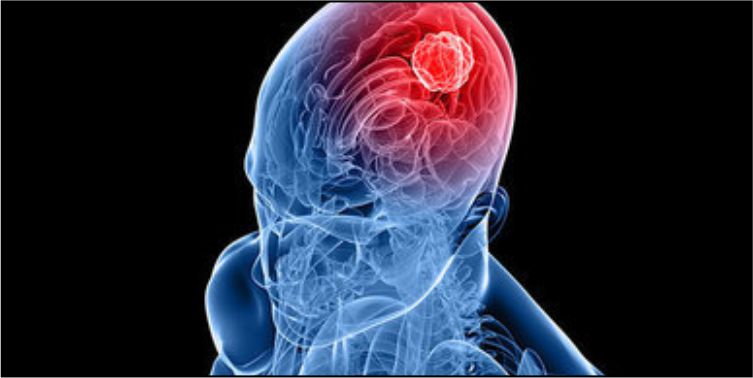
The diagnosis and treatment of diseases affecting the brain, nervous system, spinal cord, blood vessels, muscles, and nerves are neurology subjects. Doctors in the field of, neurology and neurosurgery deal with these diseases.
Medical science has advanced tremendously due to the introduction of new and high-tech technology, built computers, and ever-increasing research. It's becoming increasingly difficult to distinguish between medical practitioners who work in the same field as they specialize.
Neurology is a branch of medical science that focuses on the brain and its different aspects. It focuses on treating conditions that affect the nervous system and diagnoses ailments that affect the brain. The terms neurologist and neurosurgeon are often interchanged when referring to medical practitioners who treat the brain's disorders, but the two occupations are vastly different.
What makes a Neurologist different from a Neurosurgeon?
Let's start with a simple understanding of the differences between Neurologist and Neurosurgeon careers:
A neurologist is an expert in the diagnosis and treatment of diseases of the brain and nervous system. They also treat illnesses such as neurodevelopmental disorders, learning disabilities, and other central nervous system-related conditions.
Neurosurgeons are qualified to perform surgical operations on people with chronic diseases that impair the nervous system's normal functioning, such as Parkinson's disease, aneurysms, and congenital disabilities.
When Do You See a Neurologist?
Since neurologists treat patients with disorders affecting the brain and nervous system, there are clear signs that you should be aware of before seeing a neurologist. Here are some typical auto symptoms to help you understand a neurologist's function and the difference between a neurologist and a neurosurgeon.
• Persistent dizziness
• Variations in sensations or emotions
• Difficulties with balance
• Headaches
• Emotional Confusion
• Muscle Fatigue
• Persistent sense of heaviness throughout the head
All Departments
-
 MD Medicine
-
Pulomonology And Respiratory Case
-
General & laparoscopic Surgery
-
Orthopedic , Trama & Joint Replacement
-
Gynaecology , Obstetrics & Infertility
-
Pediatrics And Neonatal Care
-
Cardiac Medicine And Cardiac Surgery (CTVS)
-
Gastroenterology
-
Neuro Medicine And Neuro surgery
-
Nephrology
-
Urology
-
Burn , Plastic & Reconstruction Surgery
-
Endocrinology & Dialectology
-
Onco Medicine And Surgery
-
Anesthesia And Critical Care
-
ENT
-
Pain Management & Physiotherapy
-
Dermatology
-
Pathology
-
Psychology
-
Radiology
-
OMFS